When Major Douglas M. Kelley walked into the detention blocks at Nuremberg in 1945, he carried with him a comforting assumption shared by much of the Allied world: the architects of the Holocaust had to be clinically insane. As the chief psychiatrist for the American military tribunal, Kelley’s mission was to map the psychological topography of the Nazi high command. He went hunting for a shared pathology—a "Nazi virus"—that would explain how a nation of poets, philosophers, and ordinary citizens could orchestrate industrial-scale depravity.

Instead, after five months of extensive psychiatric interviews, IQ tests, and Rorschach inkblot tests with twenty-two high-ranking defendants, his conclusions terrified him. He found that the architects of the Third Reich were not clinically insane, not psychotic, and not fundamentally different from ambitious leaders found anywhere else in the world.

There was no single psychological profile that defined a Nazi leader. Almost all the defendants scored above average on IQ tests, with several registering in the genius range.
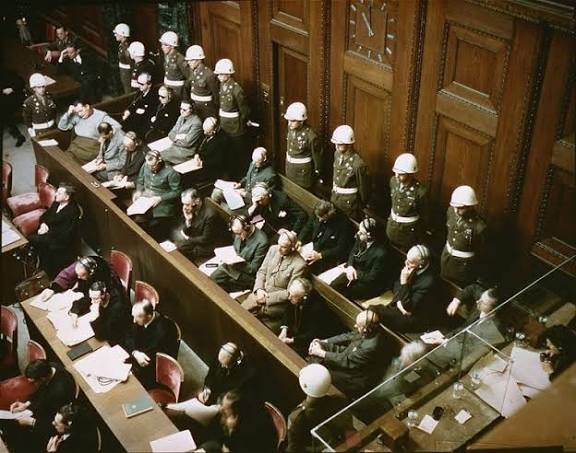
Hermann Göring possessed an IQ of 138; he was charming, deeply narcissistic, and entirely unrepentant, feeling no guilt for the Holocaust save for the fact that Germany had lost the war. Figures like Wilhelm Keitel and Alfred Rosenberg operated with a disturbing bureaucratic detachment, compartmentalizing mass slaughter as a logistical problem to be solved rather than a moral catastrophe.
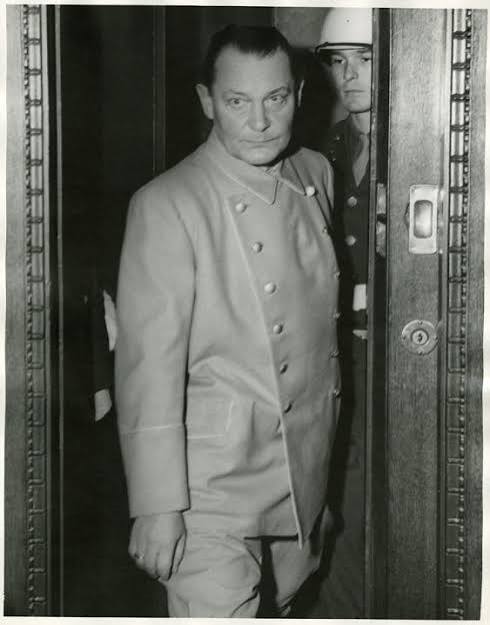
Kelley returned to America deeply disturbed. He warned that the traits that created the Nazi high command—blind ambition, aggressive nationalism, and an absence of moral empathy—were not uniquely German, and that identical psychological profiles could be found running corporations or political offices in any major American city.
This bleak realization, combined with his intense immersion in the minds of men like Göring, fueled a severe depression. It culminated in his tragic death on New Year's Day in 1958, when Kelley ended his own life using an authentic Nazi cyanide capsule he had brought back from Nuremberg—replicating the exact method Göring had used to escape the hangman.

The Comforting Sedative of Dr. Gustave Gilbert
The world, however, violently rejected Kelley's terrifying diagnosis. Instead, they embraced the findings of his colleague, prison psychologist Dr. Gustave Gilbert.
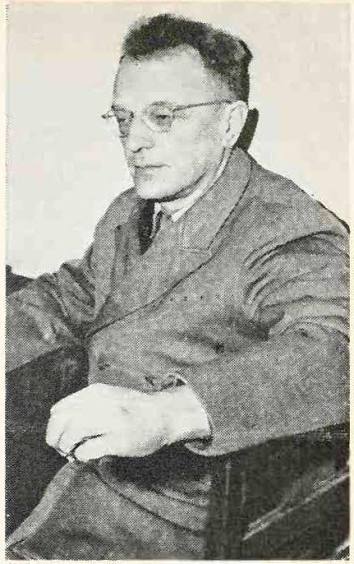

Gilbert, who also interviewed the defendants and later published the famous Nuremberg Diary, vehemently disagreed with Kelley. Gilbert argued that the Nazis were a unique breed of psychopathic monsters, driven by a specific, aberrant cultural and psychological sickness. Where Kelley saw ordinary ambition stripped of empathy, Gilbert diagnosed a grotesque, historical anomaly.
The global public eagerly consumed Gilbert’s narrative because it acted as a psychological firewall. It was a comforting sedative. We desperately needed to separate the "civilized us" from the "monstrous them." If the men who ordered the gas chambers were a freakish biological or psychological mutation, then the rest of us were safe. Gilbert’s assessment allowed the victorious nations to believe that evil of this magnitude was an isolated historical contagion that had been successfully identified and eradicated.
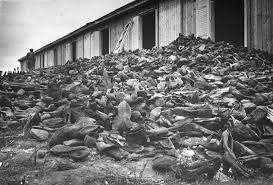
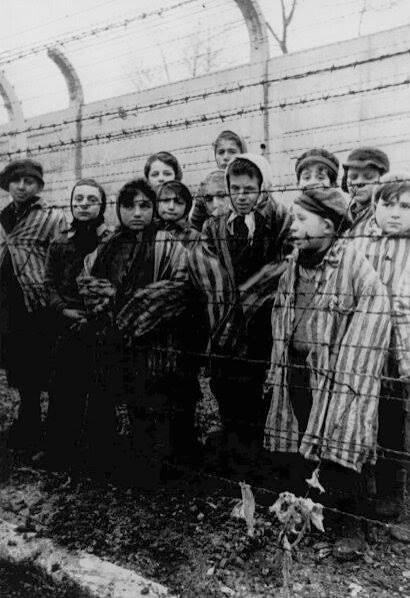
But history, science, and the sheer weight of human behavior over the subsequent decades proved Dr. Kelley absolutely right.
In the mid-1970s, psychologist Molly Harrower conducted a blind experiment, mixing the anonymized Rorschach tests of the Nazi defendants into a larger stack of tests taken by ordinary American clergymen, executives, and civil servants.

A panel of the world's top Rorschach experts completely failed to distinguish the architects of the Holocaust from normal American professionals. In 1961, Hannah Arendt watched Holocaust logistician Adolf Eichmann on trial and famously coined the "banality of evil," realizing the greatest crimes are committed by mild-mannered bureaucrats speaking in corporate clichés.
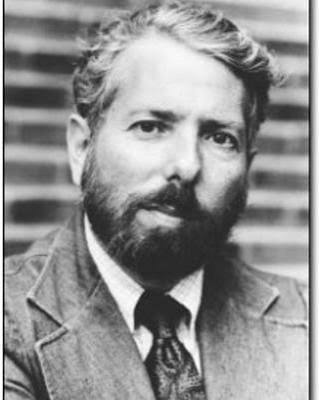
That same year, Yale psychologist Stanley Milgram proved that 65% of ordinary Americans would administer potentially lethal electric shocks to a stranger simply because a man in a lab coat told them it was required.
Kelley understood that the thin veneer of civilization depends entirely on systems, because the men required to run a death camp and the men required to run a modern corporate or political bureaucracy possess the exact same psychological hardware.
The Paradox of Survival and Ordinary Complicity
When a totalitarian regime swallows every institution in a country, joining the ruling party ceases to be an ideological choice and becomes a grim matter of practical survival. There is a profound difference between the sociopathic ambition of the men who built the slaughterhouse and the desperate compartmentalization of the ordinary citizens forced to work inside it. By the end of the war, the Nazi Party had roughly 8.5 million members. The vast majority were ordinary people caught under a policy of Gleichschaltung (forcing society into line). Keeping a livelihood and protecting a family required signing the paper.
Consider my grandfather, who was based in East Prussia. He was swept into the formal structures of the party, yet he was the absolute antithesis of a monster. He was a loving family man and a father of seven children who ran a company producing aluminum shells, always treating the people around him with profound love and respect. He was caught in the inescapable machinery of a totalitarian state, navigating a world where survival demanded compliance, yet he maintained his warmth, his humanity, and his devotion to his family.
His family's survival was carved out of miraculous, heart-stopping margins. They were originally scheduled to board the Wilhelm Gustloff to escape the advancing Soviet front.
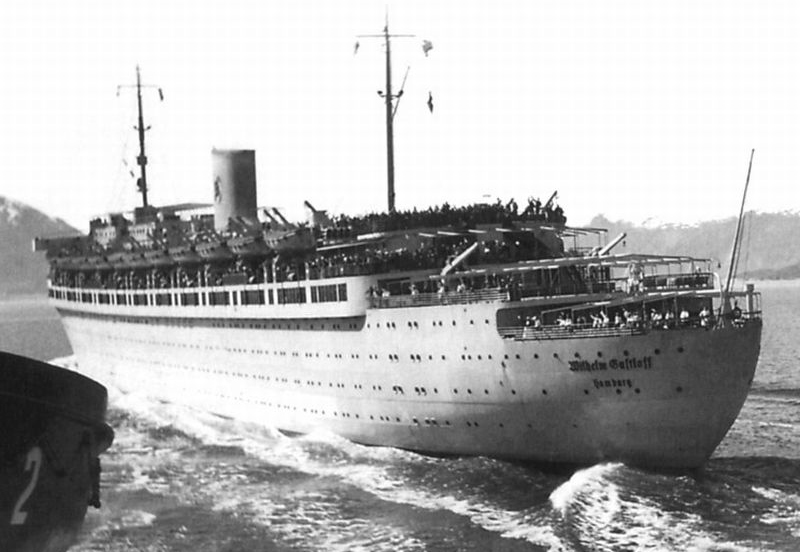
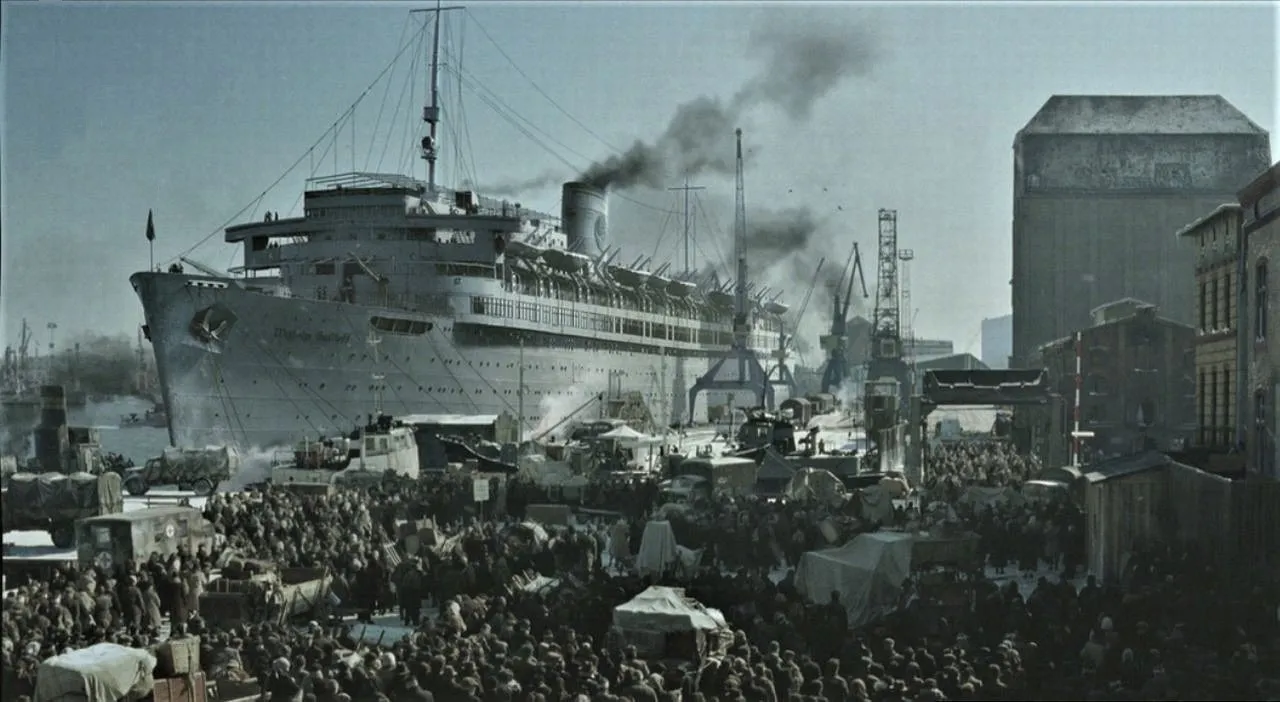
They narrowly missed boarding the ill-fated refugee ship before it was torpedoed in the Baltic Sea—the deadliest maritime disaster in human history, claiming over 9,000 lives. Missing that fateful passage meant they instead had to endure a brutal, frost-bitten trek, walking 433 miles on foot from Königsberg to Hamburg in the dead of winter.
This paradox defined my lineage. My uncles commanded the unforgiving expanse of the Eastern Front as high Prussian officers. My mother, as a young girl in the Hitler Youth, stood face-to-face with Adolf Hitler three separate times. Yet she grew to be the most tender, fiercely compassionate soul I have ever known. It was she who taught me the sacred, unyielding value of every human breath. Millions of ordinary people were caught in that exact same terrifying machinery, trying to feed their children, keep their jobs, and survive a world gone mad. A party pin in a dictatorship did not automatically make someone a monster.
The Hypocrisy of the Bench and the Monopolization of Horror
Yet, the men who sat upon the judges' bench at Nuremberg—and the Allied powers who prosecuted the defeated—cleansed themselves of this complicity through a staggering display of imperial impunity.
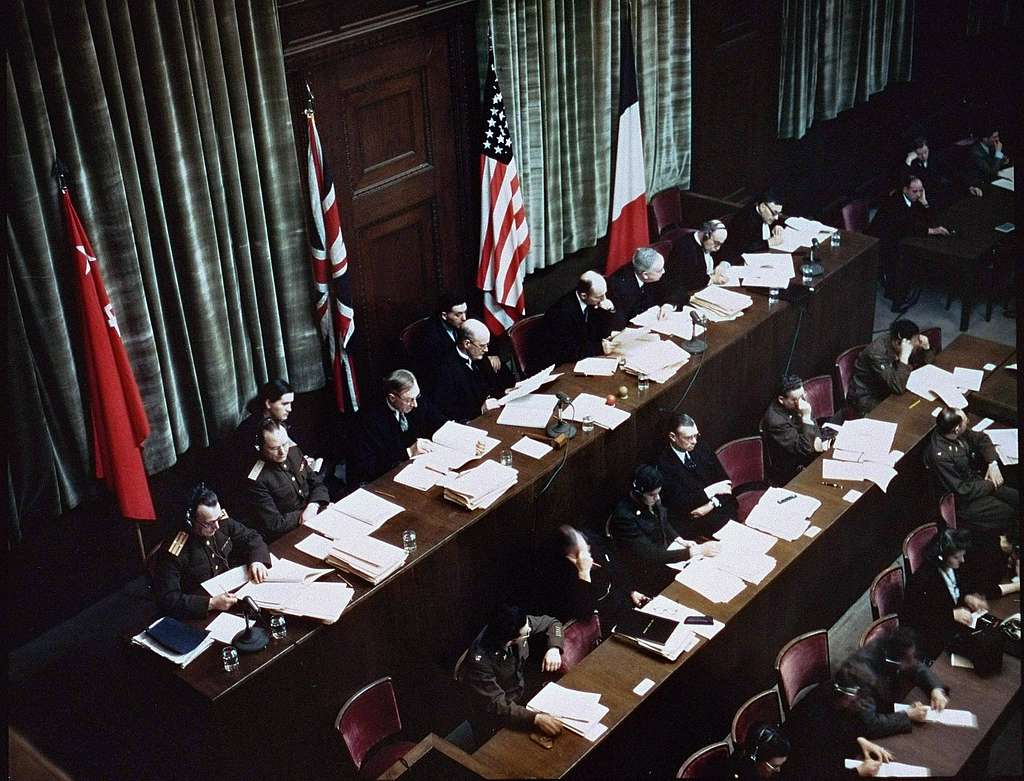
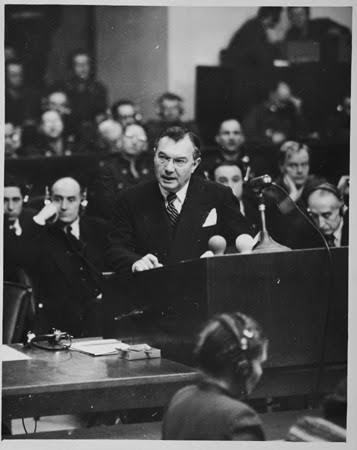
The shadow of "victors' justice" was the most precarious moral tightrope the Tribunal walked. Chief U.S. Prosecutor Robert H. Jackson had to studiously ignore that the Allied powers were guilty of some of the very crimes for which the Nazis were being hanged. Under the secret protocols of the 1939 Molotov-Ribbentrop Pact, the Soviet Union had carved up Poland alongside Nazi Germany.

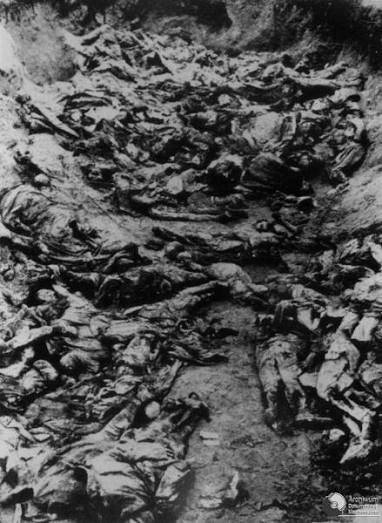
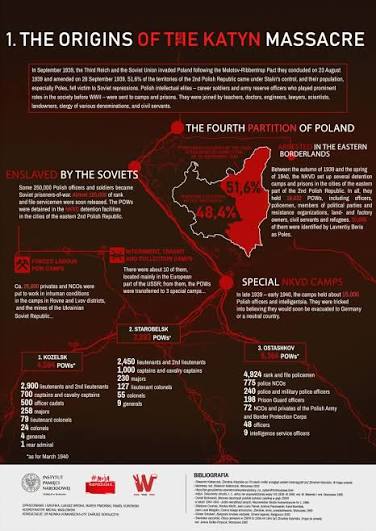
When the Soviets tried to pin their own execution of 22,000 Polish officers in the Katyn Forest on the German defendants, Western prosecutors engaged in a quiet mutiny, suppressing the truth rather than confronting their allies.
Most glaringly, the tribunal’s charter was deliberately restricted to Axis powers, legally shielding the Western Allies from answering for the strategic firebombing of civilian populations in Dresden and Tokyo, and above all, the unimaginable, unspeakable horror of dropping atomic weapons on human beings.
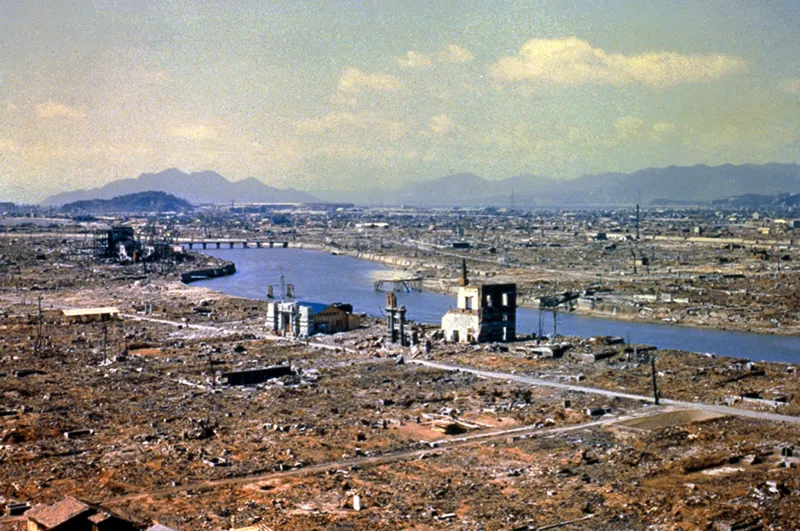
The men who established Nuremberg to prosecute the mass murder of civilians were the very same men who, just months earlier, authorized the instantaneous incineration of hundreds of thousands of innocent men, women, and children in Hiroshima and Nagasaki.
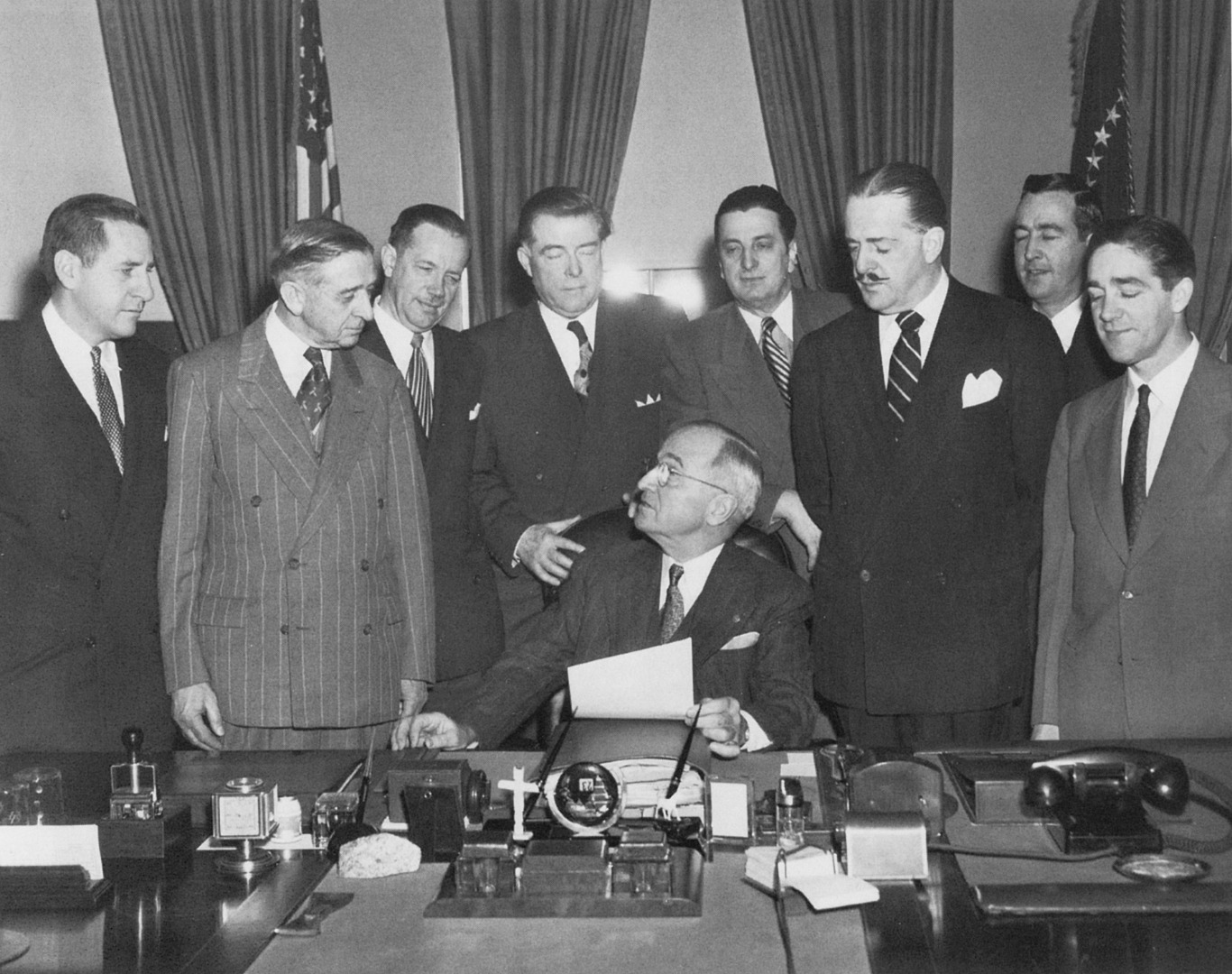
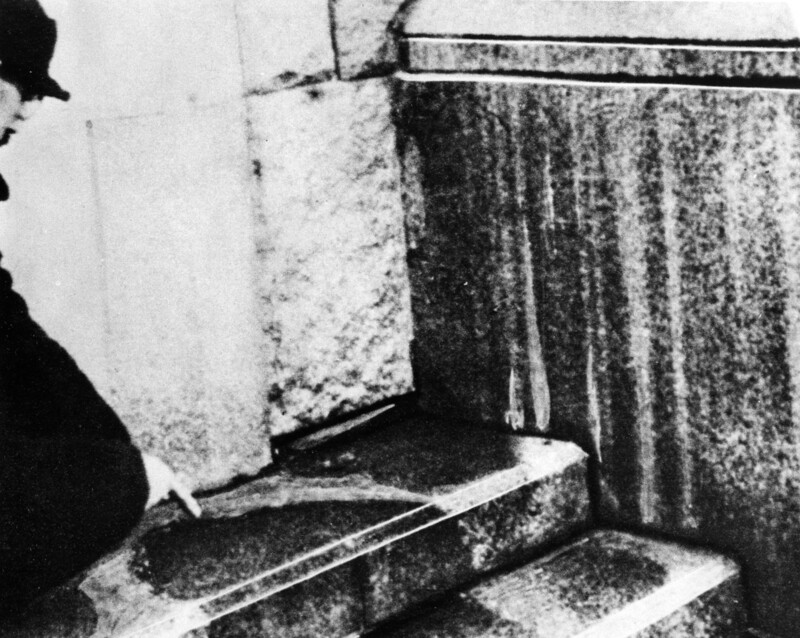
They did not use gas chambers; they used the miracle of modern physics to drop the sun onto living cities. In a fraction of a second, schoolchildren were vaporized into permanent shadows burned into stone steps.

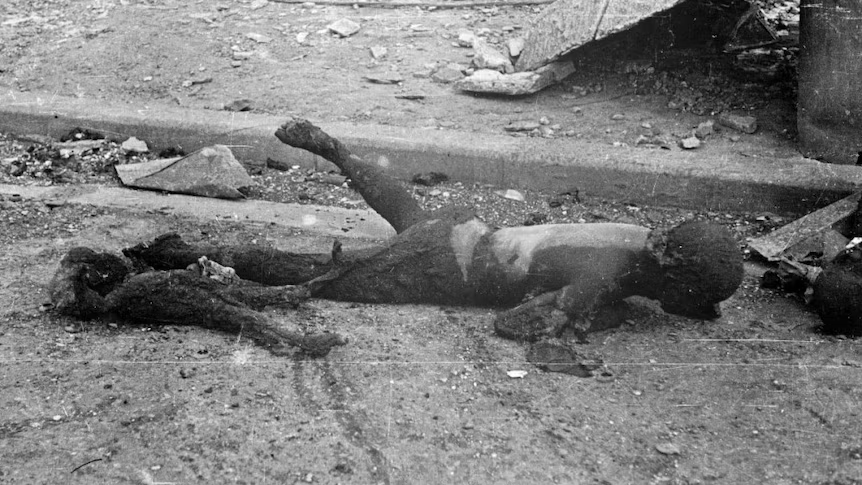
Entire families were melted into the pavement, and hundreds of thousands more were left to die in agonizing, lingering torment from radiation sickness—their skin blistering and their internal organs rotting from the inside out.

Yet, the men who ordered this apocalyptic devastation did not consider themselves monsters. They were well-educated, democratic leaders who slept soundly at night, sanitizing their atrocities with the sterile bureaucratic language of "military necessity." Nuremberg established a devastating precedent of victors' justice—a system where the powerful are forever immune from the laws of humanity they hang the defeated for breaking. The capacity for unimaginable horror was never eradicated; it was simply monopolized by the victors.
The Gaza Apocalypse and the Bureaucracy of Modern Death
If you want to witness the devastating, soul-crushing cost of this unpunished impunity and the persistent delusion that evil requires a monster, you only have to look at the pulverized concrete of Gaza today.

We are watching the live-streamed, industrialized slaughter of hundreds of thousands of innocent civilians—the systematic eradication of entire family bloodlines, infants pulled from shattered concrete in mangled pieces, and parents cradling the lifeless bodies of their children beneath smoking ruins. But this apocalypse is not being carried out by screaming brutes. It is being executed by a sophisticated, high-tech military apparatus, and it is being funded, enabled, and diplomatically shielded by the most educated, "civilized" governments on earth.


The true, nauseating horror of Gaza is not just the bombs raining from the sky; it is the immense, polite, air-conditioned bureaucracy enabling them. It is the politicians in Washington and European capitals who calmly sign off on the shipment of two-thousand-pound bunker-buster bombs over morning coffee. It is the diplomats who sit in mahogany chambers and raise their hands to veto ceasefires while premature babies die in unpowered incubators. It is the military spokespersons who stand behind podiums in tailored suits, looking directly into cameras to sanitize the mass murder of children using the exact same chilling, clinical detachment that Robert Jackson found in the Nazi paperwork—repackaging the erasure of a civilization as "collateral damage," "strategic imperatives," and "self-defense."

These modern enablers are Dr. Kelley’s nightmare brought to flesh and blood in the twenty-first century. The people signing the export licenses for genocide go home to their sunlit suburban homes, play with their dogs, eat dinner with their families, and sleep soundly. It is not just the bombs; it is the polite, air-conditioned infrastructure of complicity. They do not see blood on their hands. Their political and legal systems have so thoroughly insulated them from the consequences of their actions that they have successfully bypassed their own moral conscience. They have been conditioned to view an entire breathing, history-rich population not as human beings with heartbeats and dreams, but as a demographic inconvenience—a logistical threat to be managed, starved, and wiped from the map.

The Final Reckoning
In historical and statistical terms, a "Black Swan" is an event so incredibly rare and unpredictable that it defies all normal expectations, carrying a catastrophic impact that shatters the known world. I have seen with my own eyes what it looks like when a Black Swan lands and the thin crust of civilization cracks open. I have stood as a firsthand witness to the sudden, blood-stained violence of political coups in Southeast Asia, and I have survived the apocalyptic midnight of the Mount Pinatubo eruption in the Philippines.

That cataclysm did not arrive alone; it collided with the brutal landfall of Typhoon Yunya, churning the falling ash into a suffocating mud that blotted out the sun.

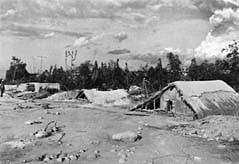
The climax of this dual catastrophe struck on June 15th, 1991. For the world, the simultaneous convergence of a massive volcanic eruption and a typhoon was a textbook Black Swan event. But for me, it was a day of staggering, almost cosmic synchronicity. June 15th was not just the day the sky fell; it was my mother's birthday, and the exact anniversary of her passing. At the moment the physical world was ending around me, I was navigating the agonizing, internal loss of the very woman who had survived the frozen ruins of Europe to teach me the sacred value of human breath.
Yet, even as my own heart was shattered by her loss, I could not simply sit by. There were no grand heroics, just the quiet, urgent necessity of doing what I could to help the people around me navigate the chaos of the storm and the ash. Immersed in profound grief, my compassion demanded action. I helped because that is what she taught me to do when the world goes dark. I know the raw, indifferent fury of a world ending. I know how quickly a society is reduced to ghosts.
But there is no natural majesty in the ash raining down on the world today. There is only a cold, calculated obscenity. There is no historical grandeur in the agonizing screams of children pulled from the shattered concrete of Gaza, their small, fragile bodies broken by the sterile machinery of modern power.
The greatest tragedy of our modern era is that "Never Again" became a hollow, mocking slogan because it was built on a deliberate lie. We spent eighty years scanning the horizon for the return of the psychopathic monster, completely blind to the terrifying truth Dr. Kelley uncovered. Evil does not require a monster. It arrives in a sharp suit behind a polished mahogany desk, speaking the sterile language of diplomacy and self-defense. The monsters did not vanish; they simply learned how to file paperwork.

It leaves me looking out at our modern era with a fractured, bleeding heart. Yet, it is in the absolute depths of this despair that I look at my dog, Schmucky. In her steady gaze, framed by her slate-blue coat and the white marking on her chest, there is no inherited malice, no bureaucracy of death, no capacity for the cold calculations that stain our species. There is only the pure, unfiltered presence of the profound love and compassion we share. She is an anchor of grace in a fractured, unrecognizable world. Watching her, untouched by the banality of our human abyss, I am filled with a lingering ache. I deeply envy her. She simply breathes a truth that humanity has spent a century trying to destroy.